Data Controller: INSTITUT DENTAL CRISTINA GRAS, S.L.P. Purpose of processing: we will use your data to schedule visits and address your questions, inquiries, and suggestions. Data subject rights: You may exercise your rights of access, rectification, erasure, and portability of your data, as well as restriction and objection to its processing at info@institutdentalcristinagras.com. More information: in our privacy policy
Data Controller: INSTITUT DENTAL CRISTINA GRAS, S.L.P. Purpose of processing: we will use your data to schedule visits and address your questions, inquiries, and suggestions. Data subject rights: You may exercise your rights of access, rectification, erasure, and portability of your data, as well as restriction and objection to its processing at info@institutdentalcristinagras.com. More information: in our privacy policy
In restorative dentistry, it is common to see patients who arrive after having searched for information on ceramic restorations and encountered price ranges so disparate that they are difficult to interpret. A porcelain veneer may cost €400 in one clinic and €1,500 in another, and in both cases, the professional uses the same words: porcelain, digital technology, natural result. The question that naturally arises is why this difference exists and what really determines the cost of a quality ceramic restoration.
This article attempts to answer that question with clinical rigor. Not to steer toward any particular treatment—that is a decision that belongs exclusively to the responsible dentist after an individualized examination of each case—but to provide the reader with objective criteria that allow them to evaluate options with an informed perspective.
Why the price of porcelain veneers is not a universal figure
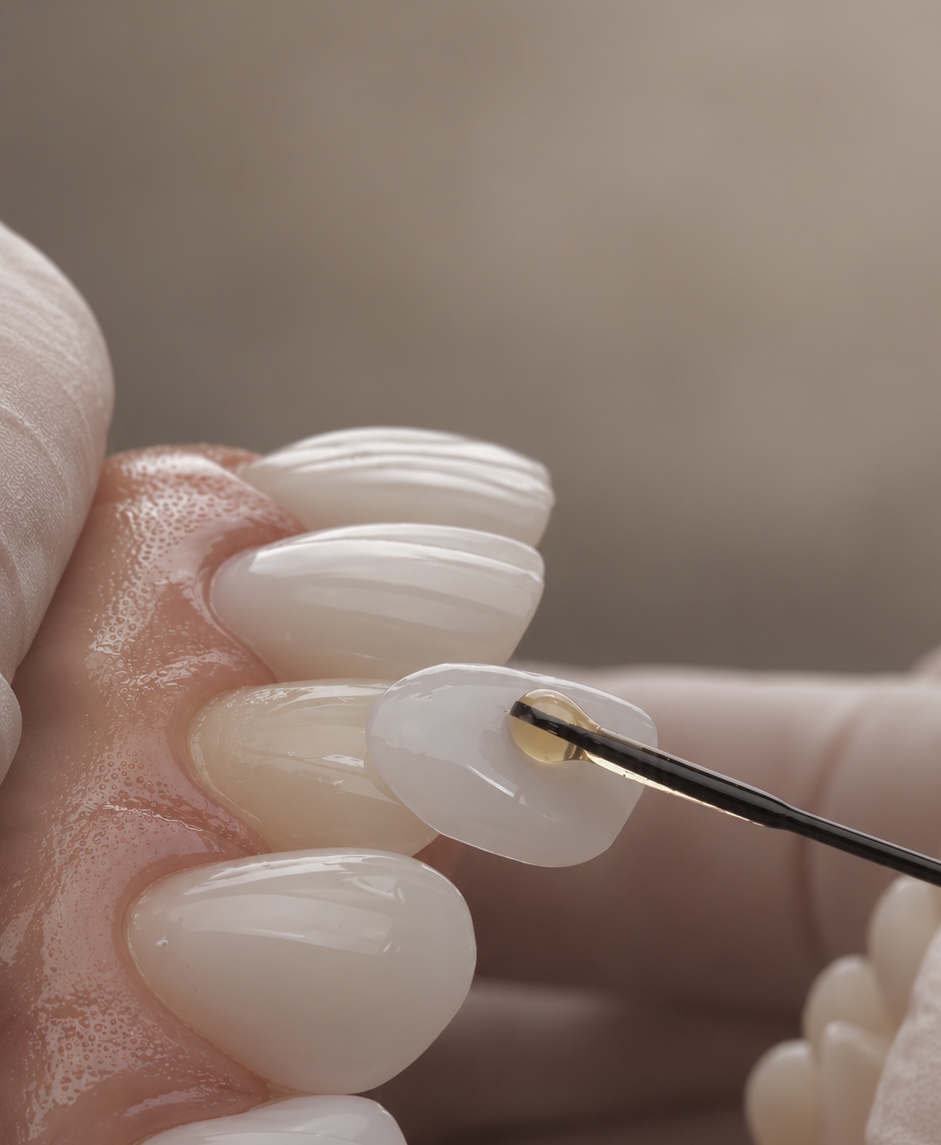
A porcelain veneer is not a standardized product. It is a custom-made prosthetic restoration whose result depends on a chain of clinical, material, and technical decisions that vary in each case and each clinic. Comparing the price of two porcelain veneers without knowing the protocol, the material, and the operator's training is equivalent to comparing the price of two surgical procedures based on the cost of the consumable materials used.
There are, however, objective and measurable factors that explain price differences. Knowing them does not allow one to calculate the cost of one's own treatment—that is only possible after a clinical assessment—but it does allow one to understand what is being paid for when there is a significant difference between quotes.
The five factors that determine the cost
1. The ceramic material
Not all porcelains are the same, nor do they have the same clinical properties. The main options in advanced restoration are:
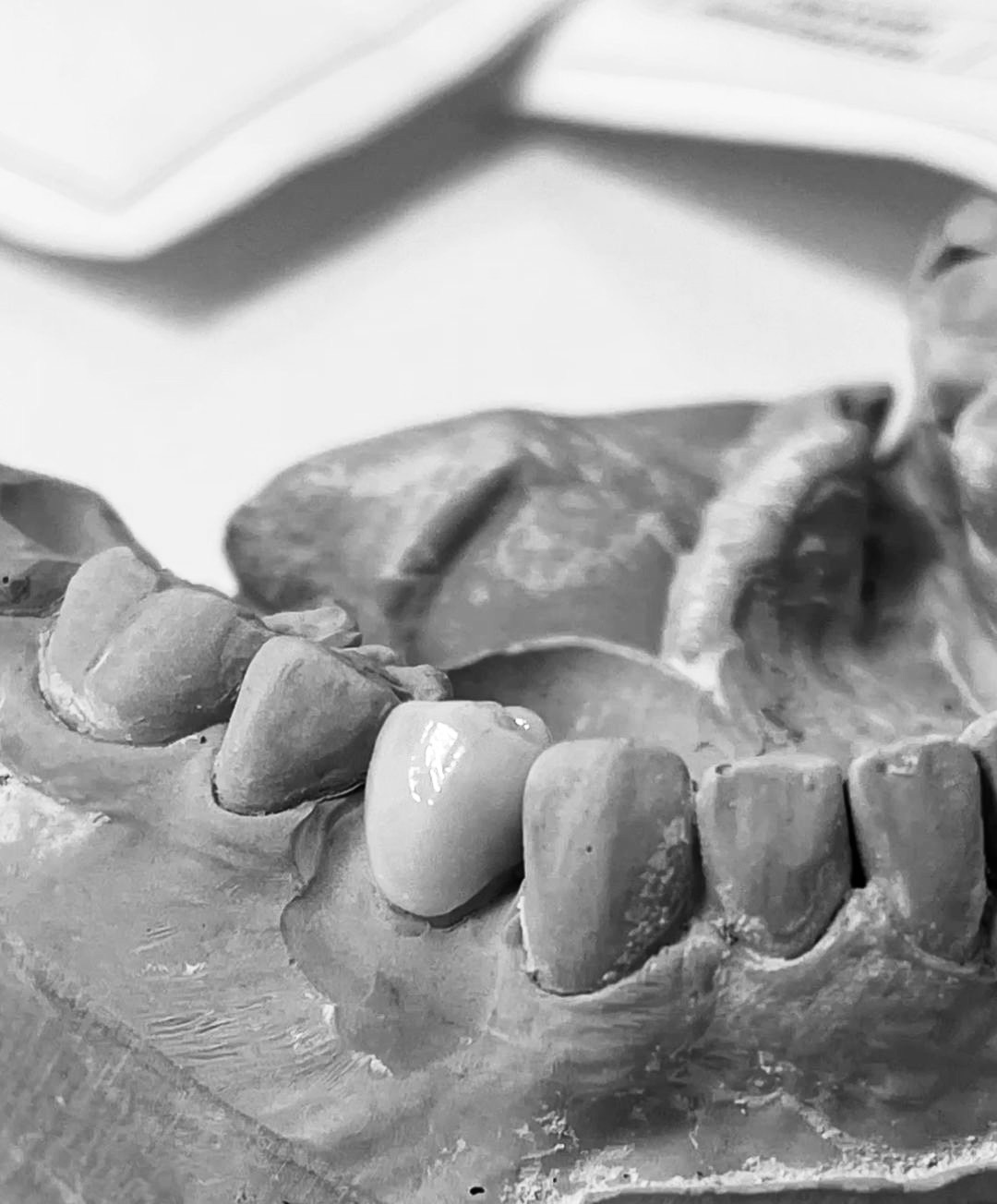
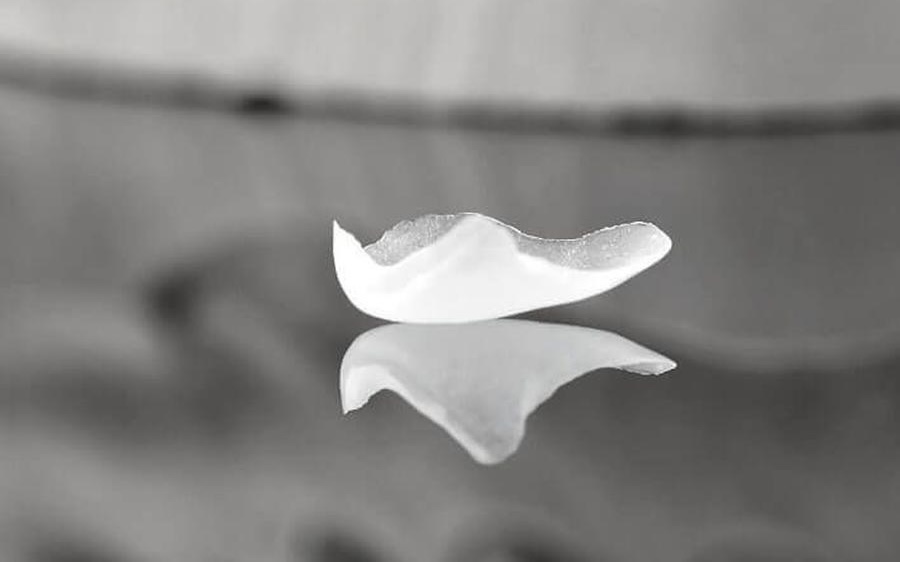
Feldspathic porcelain: the gold standard in ceramic restoration for the anterior region. It best reproduces the optics of natural enamel—translucency, fluorescence, and light distribution—and requires the greatest technical precision from both the clinician and the ceramist. Its long-term clinical performance is widely documented. It is also the most demanding to manipulate and, consequently, the most costly.
Lithium disilicate (e.max): a material with high mechanical strength and good optical properties. Indicated when the case requires greater structural robustness or when the patient presents with parafunctions such as bruxism.
Zirconia: maximum mechanical strength, lower capacity for natural optical integration. Indicated mainly in posterior regions or full-mouth rehabilitations, not as a first choice in the anterior region when seeking harmonious integration with the surrounding dental tissue.
The selection of the material is a clinical decision that belongs to the dentist responsible for the case. It is not a matter of preference or economics.
2. Prior digital planning
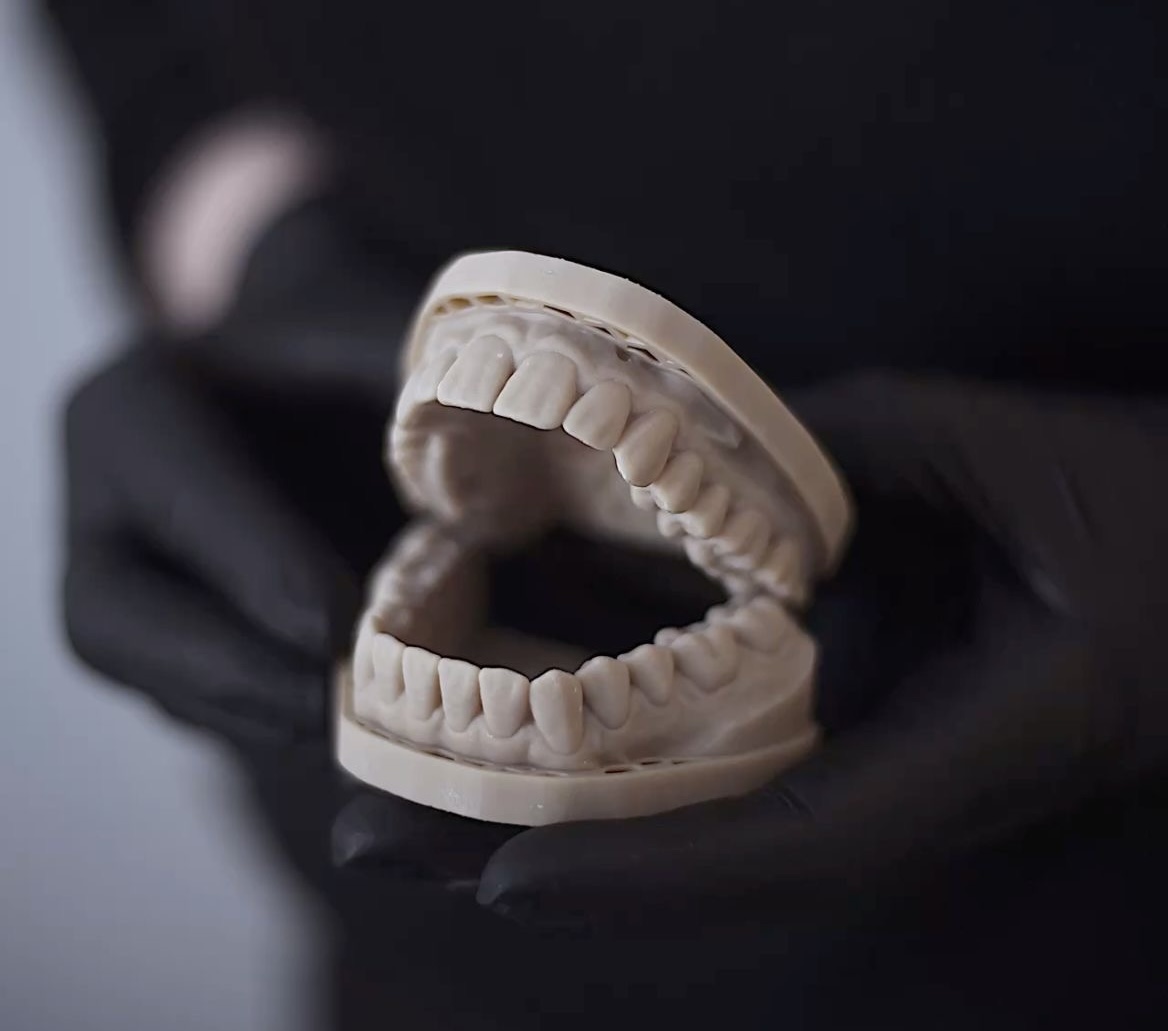
A rigorous protocol includes, before working on the tooth, a planning phase that comprises standardized clinical photography, intraoral scanning, virtual design of the restoration using CAD software, and the creation of an intraoral provisional—a mock-up—for morphological and functional validation before the final phase.
This phase has its own cost in clinical time and technological infrastructure. A protocol that omits it will be more economical. It will also be statistically less predictable, because irreversible decisions about the tooth are made without the information that this phase provides.
In our practice, most cases that arrive with failed previous restorative treatments have one thing in common: the absence of a comprehensive planning phase. The result was technically executed correctly, but based on an incomplete diagnosis.
3. The dentist's training and dedication
Adhesive restorative dentistry requires specific, ongoing training beyond a general dentistry degree. Handling ultra-thin ceramic materials—from 0.2 to 0.5 mm—as well as adhesion protocols, occlusal analysis, and the integration of the restoration with surrounding soft tissues are skills acquired through advanced postgraduate training and clinical experience accumulated in cases of this nature.
A dentist dedicated exclusively to advanced restoration has a different fee structure than a generalist who performs these types of restorations occasionally. That difference reflects an objective clinical reality, not a pricing policy.
4. The dental laboratory and the ceramist
Ceramic restorations are manufactured by a laboratory ceramist, not directly by the clinician. The quality of the laboratory—the materials used, the manufacturing technology, and the technician's specialization in anterior restorations—critically determines the final result in terms of natural integration, marginal fit, and longevity.
There is a significant clinical difference between a laboratory that mass-produces via CAD/CAM milling without customization and an artisan ceramist specializing in feldspathic porcelain who works on each restoration individually. That difference is directly reflected in the price and the result.
5. The number of units
The cost per unit tends to decrease progressively as the number of restorations in the treatment plan increases, given that the planning, records, and laboratory phase are distributed across more teeth.
Indicative price ranges in Barcelona (2025)
The following data are merely indicative. The actual cost of any restoration can only be determined after an individualized clinical examination.
Budget or chain clinic
Approximate price per unit: €400–€600 Characteristics: Standard materials, minimal planning, and low-cost laboratory.
Mid-range general practice
Approximate price per unit: €650–€850 Characteristics: Variable materials and partial planning.
Specialized restorative clinic
Approximate price per unit: €850–€1,500 Characteristics: Feldspathic porcelain or disilicate, comprehensive digital planning, and a specialized ceramist.
At Cristina Gras Advanced Restorative Dentistry, the price per unit ranges from €850 to €900, depending on the complexity of the case and the number of teeth. An anterior rehabilitation of 6 to 10 units can range between €5,100 and €9,000. These figures are always estimates and are subject to an individualized clinical assessment.
Why exact prices for advanced restoration are not published
It is a legitimate question. The reason is not a lack of transparency, but real clinical variability: the final cost depends on each patient's individualized diagnosis. Case complexity, periodontal health, occlusal status, the presence of parafunctions, the number of units, and the indicated material are variables that can only be determined after a complete examination.
Publishing a single price would be, at best, a misleading simplification. At worst, it would be a promise that cannot be kept without compromising clinical quality.
What any clinic with a rigorous professional practice can and must offer is transparency in the process: explaining what the quote includes, what phases the treatment involves, and what clinical protocol justifies the price.
What a rigorous quote should include
Regardless of the final price, a serious clinical quote must specify:
Number of units and location
Whether it includes digital planning and a mock-up
Estimated number of sessions
Post-treatment follow-up protocol
Terms of the quote
If a quote does not detail these points, the patient does not have the necessary information to evaluate options with real clinical criteria.
A final reflection
Prioritizing the lowest price for a treatment that may involve irreversible preparation of dental enamel is a decision that deserves careful consideration. The most relevant question is not "how much does a veneer cost?", but "what does that price include and what clinical protocol supports the result?"
This article is for informational purposes only and does not constitute medical or dental advice. It is not a substitute for an individualized clinical assessment by a licensed dentist, who is the only professional qualified to determine the clinical indication and appropriate treatment plan based on the specific characteristics of each case.
Dr. Cristina Gras practices advanced restorative dentistry in Barcelona (Paseo de la Bonanova 110, Sarrià). More information at institutdentalcristinagras.com
Data Controller: INSTITUT DENTAL CRISTINA GRAS, S.L.P. Purpose of processing: we will use your data to schedule visits and address your questions, inquiries, and suggestions. Data subject rights: You may exercise your rights of access, rectification, erasure, and portability of your data, as well as restriction and objection to its processing at info@institutdentalcristinagras.com. More information: in our privacy policy
Data Controller: INSTITUT DENTAL CRISTINA GRAS, S.L.P. Purpose of processing: we will use your data to schedule visits and address your questions, inquiries, and suggestions. Data subject rights: You may exercise your rights of access, rectification, erasure, and portability of your data, as well as restriction and objection to its processing at info@institutdentalcristinagras.com. More information: in our privacy policy
Data Controller: INSTITUT DENTAL CRISTINA GRAS, S.L.P. Purpose of processing: we will use your data to schedule visits and address your questions, inquiries, and suggestions. Data subject rights: You may exercise your rights of access, rectification, erasure, and portability of your data, as well as restriction and objection to its processing at info@institutdentalcristinagras.com. More information: in our privacy policy