Data Controller: INSTITUT DENTAL CRISTINA GRAS, S.L.P. Purpose of processing: we will use your data to schedule visits and address your questions, inquiries, and suggestions. Data subject rights: You may exercise your rights of access, rectification, erasure, and portability of your data, as well as restriction and objection to its processing at info@institutdentalcristinagras.com. More information: in our privacy policy
Data Controller: INSTITUT DENTAL CRISTINA GRAS, S.L.P. Purpose of processing: we will use your data to schedule visits and address your questions, inquiries, and suggestions. Data subject rights: You may exercise your rights of access, rectification, erasure, and portability of your data, as well as restriction and objection to its processing at info@institutdentalcristinagras.com. More information: in our privacy policy
In advanced restorative dentistry, bruxism is one of the most frequently encountered factors in complex cases. It is not always the primary diagnosis, but it is a variable that decisively influences the treatment plan, material selection, and the longevity of any ceramic restoration.
What makes bruxism especially relevant from a restorative perspective is not just the wear it causes, but the chain of biomechanical consequences it triggers when not detected or treated in time. A worn tooth is not just a shorter tooth: it is a tooth that has lost its functional anatomy, distributes forces differently, and, in many cases, has compromised the stability of the entire masticatory system.
Bruxism is a parafunctional muscle activity characterized by clenching or grinding the teeth, both during sleep—nocturnal bruxism—and while awake. The forces generated can far exceed normal physiological loads, causing micro-trauma to the enamel, dentin, periodontal ligament, and any existing restorations.
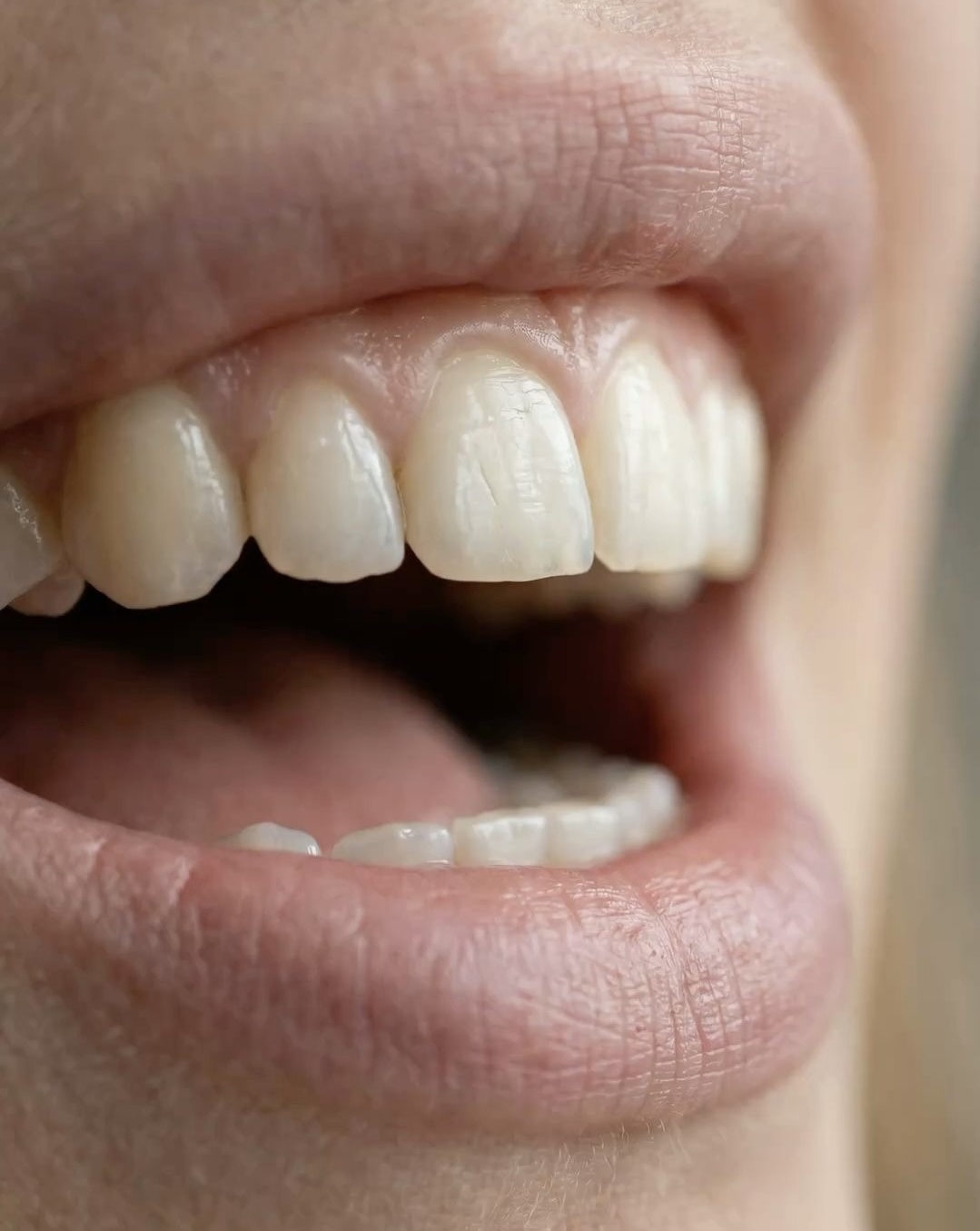
Many patients are unaware they have it until clinical signs become evident: shorter teeth, flat or transparent incisal edges, sensitivity, recurrent fractures, or morning muscle fatigue. From a restorative standpoint, bruxism dictates the selection of materials, thickness, cementation protocols, and protective measures both before and after treatment.
Clinical consequences of severe bruxism
Canine guidance: why its loss initiates progressive functional deterioration
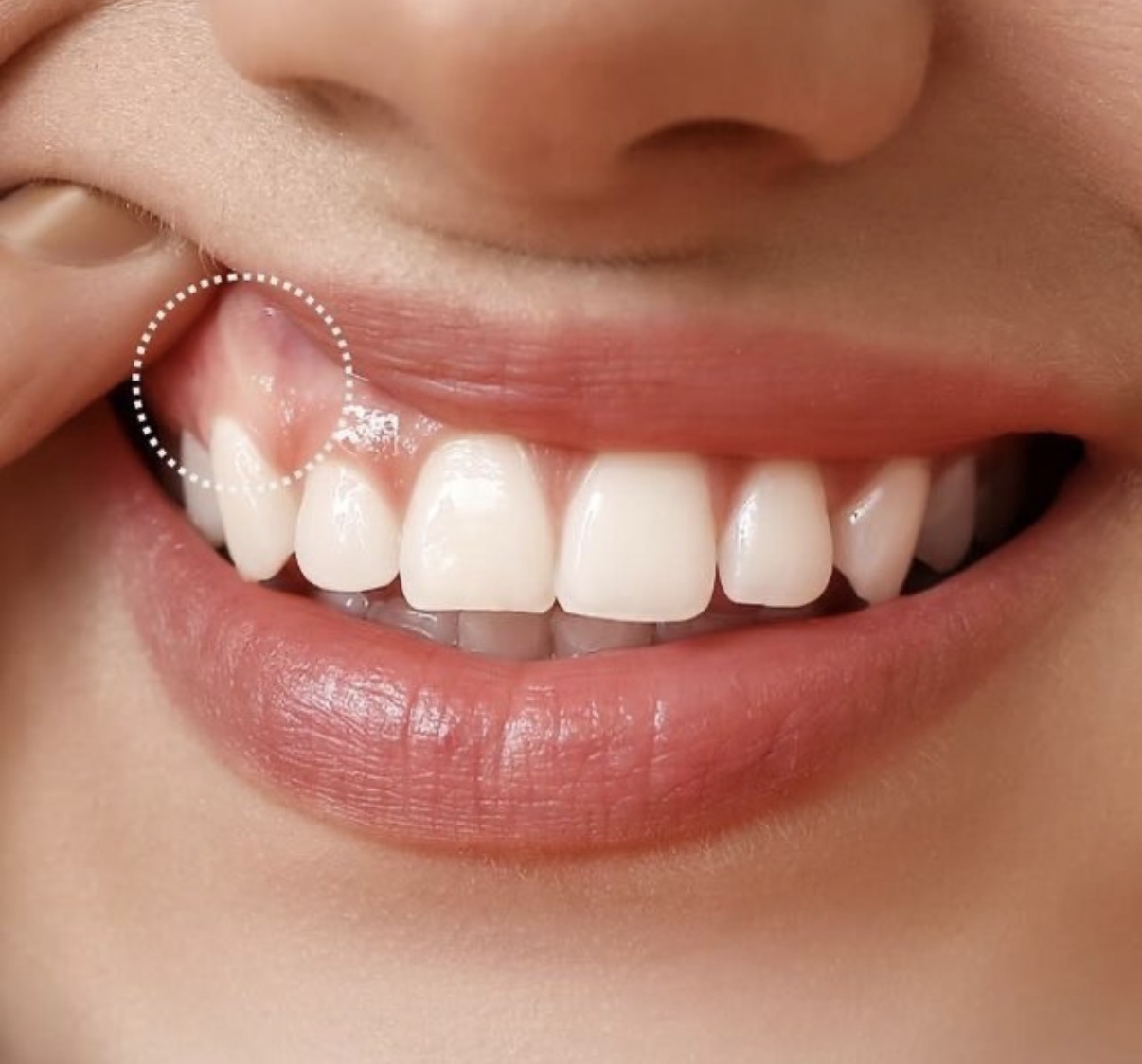
At our clinic in Barcelona (Sarrià), the evaluation of canine guidance is part of the occlusal analysis for all patients with bruxism. Canines act as shock absorbers, protecting the posterior teeth during lateral movements.
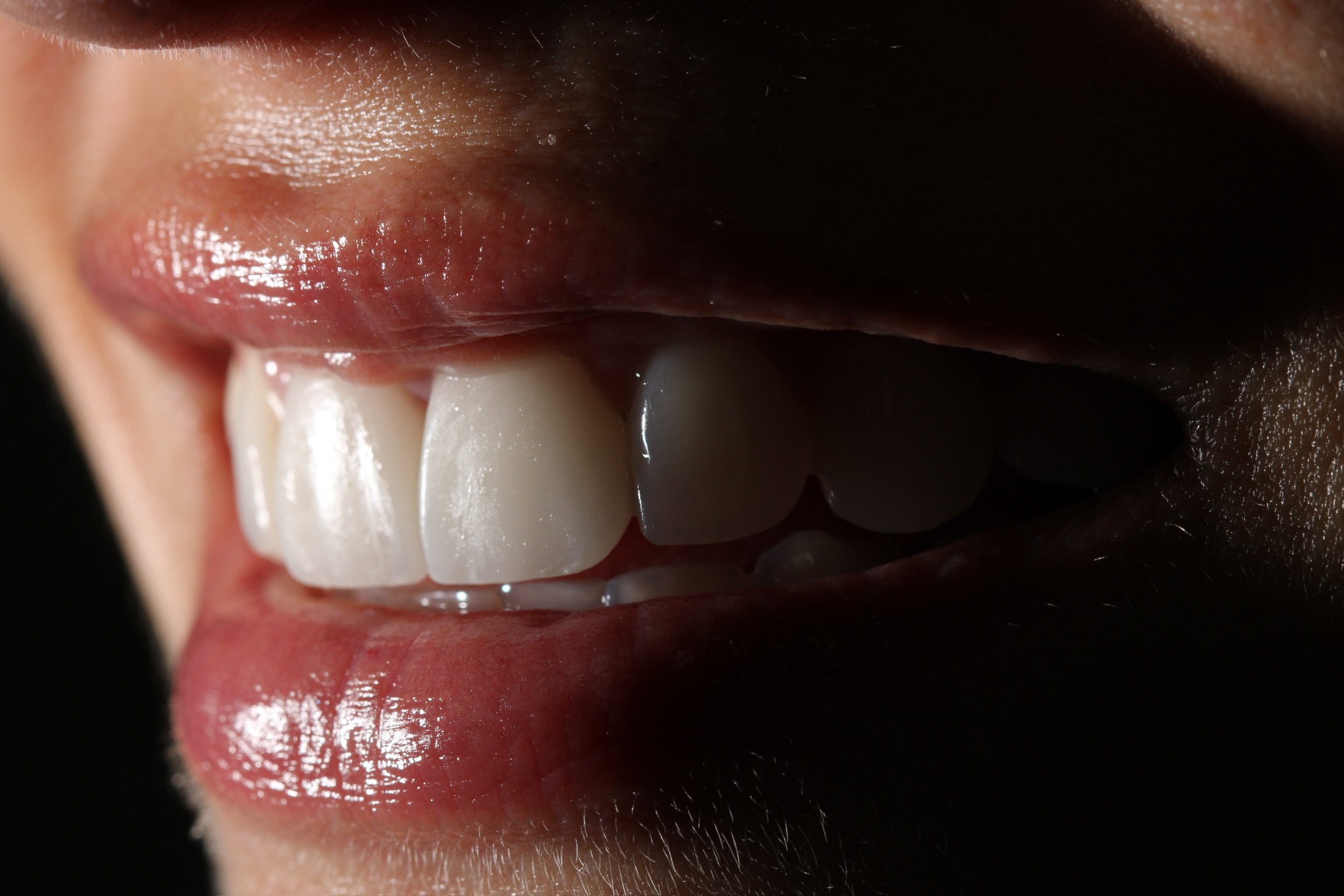
When this guidance is lost, forces are redistributed onto posterior teeth not designed to receive them, leading to overload, fractures, debonding, and accelerated tooth wear. Restoring this guidance is key in the planning of any rehabilitation.
Loss of vertical dimension: when wear affects facial height
The occlusal vertical dimension, or facial height with teeth in contact, can be compromised after prolonged wear. When the system's adaptive capacity is exceeded, signs of functional collapse appear: unstable bite, muscle fatigue, joint overload, and repeated fractures.
The diagnosis of vertical dimension is performed during the Smile Blueprint phase of Gras Method®, prior to any restorative planning.
Bruxism and erosion: a combination that accelerates deterioration
Chemical erosion (associated with acidic drinks, gastroesophageal reflux, or dietary habits) weakens the enamel and increases the progression of wear. The diagnosis must identify both factors for a successful adhesive rehabilitation plan.
Why a comprehensive diagnosis is the first step
In theGras Method® —the proprietary protocol that guides our dental clinic in Barcelona—, the diagnostic phase is not performed by a single specialist. Patients are evaluated by periodontics, orthodontics, implantology, and restorative experts, with the patient present.
The analysis includes:
Evaluation of anterior and canine guidance.
Periodontal status.
Occlusal vertical dimension.
Wear patterns and parafunctional habits.
The Precision Test (functional mock-up) allows us to validate function and morphology before any definitive restoration.
Adhesive rehabilitation of wear: adding without removing
Adhesive dentistry enables additive rehabilitations, adding ceramic material over remaining enamel and avoiding the removal of healthy tooth structure.
Adhesion to enamel is biomechanically superior to adhesion to dentin. In severe cases, a specific dentin bonding protocol is applied with optimized cementation for maximum strength, and ceramic loading is adjusted to the correct morphology and function.
For patients with bruxism, material selection is critical:
Lithium disilicate: greater mechanical strength under high occlusal load.
Feldspathic porcelain: optimal optical integration when bruxism is controlled.
Always based on an individualized diagnosis.
Signs that should not be considered normal
Many patients live with signs of wear without recognizing them:
Shorter teeth, flat or translucent edges.
Worn canines.
Recurrent fractures or cracks.
Generalized sensitivity.
Morning muscle pain and tension headaches.
Unstable bite.
Detecting wear early allows for more conservative interventions and preserves as much healthy tooth structure as possible.
This article is for informational purposes only and does not constitute medical or dental advice. It is not a substitute for an individualized clinical assessment by a licensed dentist. Any decision regarding dental treatment should be made following an examination and diagnosis by the dentist responsible for the case.
Dr. Cristina Gras practices advanced restorative dentistry in Barcelona (Paseo de la Bonanova 110, Sarrià). More information at institutdentalcristinagras.com
Data Controller: INSTITUT DENTAL CRISTINA GRAS, S.L.P. Purpose of processing: we will use your data to schedule visits and address your questions, inquiries, and suggestions. Data subject rights: You may exercise your rights of access, rectification, erasure, and portability of your data, as well as restriction and objection to its processing at info@institutdentalcristinagras.com. More information: in our privacy policy
Data Controller: INSTITUT DENTAL CRISTINA GRAS, S.L.P. Purpose of processing: we will use your data to schedule visits and address your questions, inquiries, and suggestions. Data subject rights: You may exercise your rights of access, rectification, erasure, and portability of your data, as well as restriction and objection to its processing at info@institutdentalcristinagras.com. More information: in our privacy policy
Data Controller: INSTITUT DENTAL CRISTINA GRAS, S.L.P. Purpose of processing: we will use your data to schedule visits and address your questions, inquiries, and suggestions. Data subject rights: You may exercise your rights of access, rectification, erasure, and portability of your data, as well as restriction and objection to its processing at info@institutdentalcristinagras.com. More information: in our privacy policy