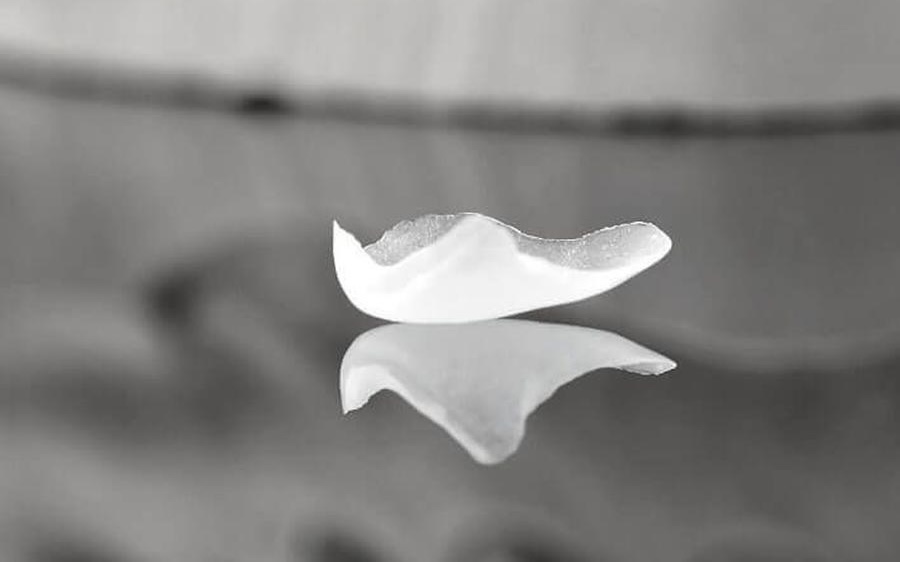
Why is choosing the right ceramic material so important?
In restorative dentistry, the choice of ceramic material directly influences how well the restoration blends with the surrounding teeth, as well as the durability and long-term clinical performance of each treatment. Not all ceramics behave the same way: some offer exceptional translucency, others provide greater strength, and some allow for a more conservative approach.
That is why the choice is never standard; it is personalized for every patient.
Most commonly used ceramic materials
In current clinical practice, the materials most frequently used in dental rehabilitation and adhesive restoration are:
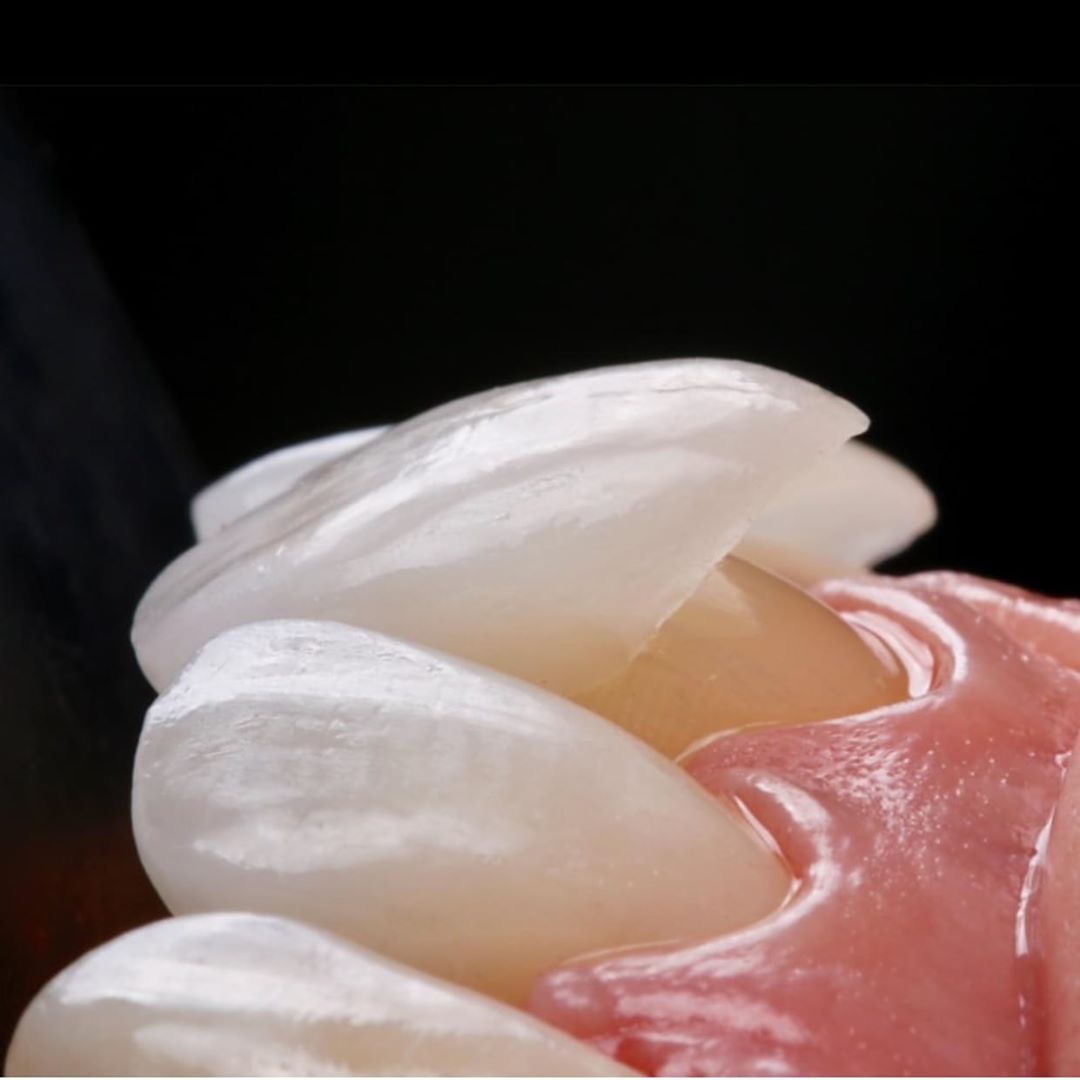
1. Feldspathic ceramics
- Minimal invasion and seamless blending with natural enamel.
- They allow for the use of very thin layers.
- Indicated for cases requiring exceptional optical integration.
2. Lithium disilicate
- An excellent balance between strength and dental harmony.
- Perfect for restorations that require greater mechanical support.
- Used for veneers, posterior crowns, and adhesive inlays.
- Recommended for patients with higher functional demands.
3. Reinforced ceramics and zirconia
- Maximum mechanical strength.
- Recommended for cases with high occlusal loads.
- Recommended for bridges, extensive rehabilitations, or when tooth structure is significantly compromised.
- The monolithic version offers durability; the layered version, better symmetry.
How do we select the right material?
The choice of ceramic material is based on an individualized analysis of the case. To do this, we evaluate:
- Harmony and optical characteristics
(translucency, opacity, texture, and harmony with natural teeth) - Patient's functional status
(occlusion, anterior guidance, parafunctional habits) - Amount of remaining tooth structure
(need to reinforce, preserve, or reconstruct) - Type of restoration
(veneer, inlay/onlay, crown, full-mouth rehabilitation) - Gingival biotype and tooth position in the smile
(important for achieving seamless integration)
Each material has specific advantages, and selecting the right one allows for more conservative and reliable adhesive treatments.
Benefits of working with high-quality ceramic
- Restorations that blend into your smile
- Greater longevity and color stability
- Functional resistance over time
- Optical integration with the natural tooth
- Possibility of minimally invasive treatments
Conclusion
Ceramic materials are a key component in modern restorative dentistry. Their proper selection ensures harmonious, functional, and long-lasting results.
AtCristina Gras – Advanced Restorative Dentistry, we analyze each case using scientific criteria and a personalized approach to choose the most suitable ceramic. This allows us to achieve restorations that respect biology, improve function, and integrate naturally into the smile.