Data Controller: INSTITUT DENTAL CRISTINA GRAS, S.L.P. Purpose of processing: we will use your data to schedule visits and address your questions, inquiries, and suggestions. Data subject rights: You may exercise your rights of access, rectification, erasure, and portability of your data, as well as restriction and objection to its processing at info@institutdentalcristinagras.com. More information: in our privacy policy
Data Controller: INSTITUT DENTAL CRISTINA GRAS, S.L.P. Purpose of processing: we will use your data to schedule visits and address your questions, inquiries, and suggestions. Data subject rights: You may exercise your rights of access, rectification, erasure, and portability of your data, as well as restriction and objection to its processing at info@institutdentalcristinagras.com. More information: in our privacy policy
When a tooth fractures, wears down, or loses structure over time, the most important clinical question is not which material to use for the repair, but how much healthy tissue can be preserved during the process.
Adhesive restorative dentistry is the specialty that answers that question. It relies on materials that bond directly to the tooth surface through chemical and micromechanical adhesion, allowing for restoration without removing healthy tissue to create mechanical retention—as traditional techniques required.
In practice, this means the goal of adhesive restoration is not to replace tooth structure but to preserve it: intervening only as much as necessary to restore the tooth's function and integrity, while respecting dental biology and the surrounding healthy tissues.
How does it differ from general dentistry?
In our practice in the Sarrià-Sant Gervasi district (Barcelona), we frequently see patients who come to us after previous treatments that did not meet their expectations.
General dentistry covers the diagnosis, prevention, and treatment of common dental needs: check-ups, cleanings, extractions, root canals, implants, or orthodontics.
Adhesive restorative dentistry focuses on reconstructing damaged or worn teeth using adhesive techniques such as high-end dental veneers, no-prep micro-veneers, ceramic inlays, and complex oral rehabilitations.
The main difference is the clinical approach: the adhesive restoration specialist accumulates experience and mastery of the clinical protocol, which is difficult to achieve in a general practice.
What treatments are included?
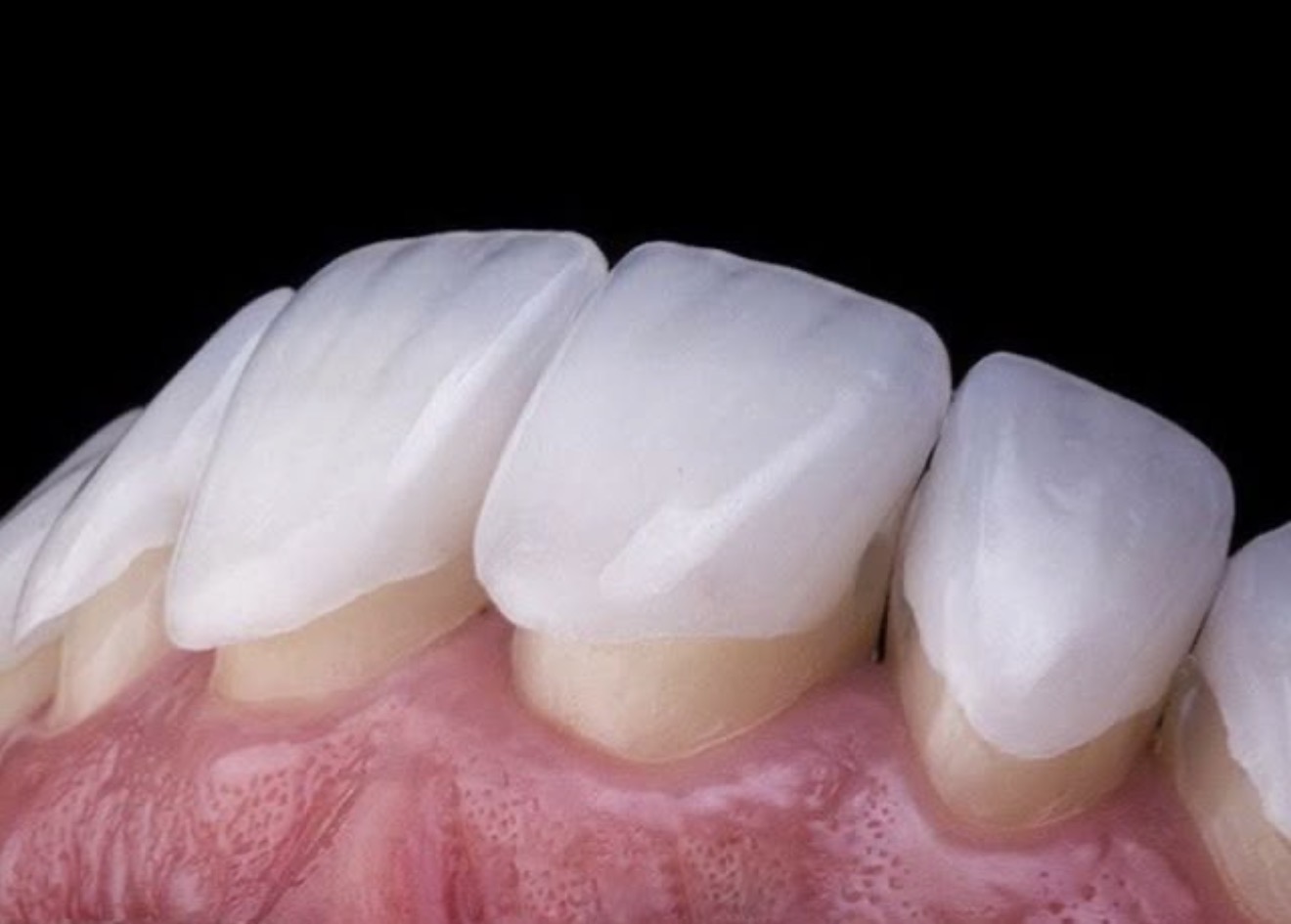
Porcelain veneers and no-prep micro-veneers
Thin ceramic layers that bond to the visible surface of the tooth.
No-prep micro-veneers are used when the tooth lacks volume, allowing for restoration without intervening on healthy enamel.
Veneers with minimal preparation are applied when space needs to be created for the restoration.
The appropriate technique always depends on an individualized diagnosis.
Ceramic inlays
Indirect restorations fabricated in a laboratory; they replace conventional fillings when there is significant loss of structure.
They guarantee greater strength, optimal marginal fit, and long-lasting adhesion to enamel.
Performed in the office, these allow for the reconstruction of fractures, wear, or shape alterations, while preserving as much remaining enamel as possible.
In the high-demand anterior region, ceramic materials offer optical and stability advantages, although composite remains clinically relevant if the adhesive protocol is applied rigorously.
Adhesive oral rehabilitation
When damage affects multiple teeth, a complete reconstruction can be performed using minimally invasive techniques, restoring masticatory function, occlusal stability, and the structural integrity of each tooth.
Ceramic materials in adhesive restoration
Material selection is not a matter of preference—it is a clinical decision based on an individualized diagnosis of the case.
Feldspathic porcelain
The gold standard in the anterior region, it reproduces natural optics (translucency, fluorescence, and light distribution).
Requires precision from both the clinician and the master ceramist.
Lithium disilicate
High mechanical strength and good optical properties.
Indicated when structural robustness is needed or for patients with bruxism.
The pressing technique produces a homogeneous material with better optical properties than CAD/CAM milling.
Zirconia
Maximum mechanical strength, but lower translucency.
Indicated for the posterior region or full-mouth rehabilitations with high occlusal load.
Why does the protocol determine the result?
In adhesive restorative dentistry, the quality of the result depends on the preceding clinical protocol, not just the material or technical skill.
In theGRAS® Method — the proprietary clinical protocol that guides all treatments at our dental clinic in Barcelona — the process begins with a comprehensive diagnosis performed by multiple specialists (periodontics, orthodontics, implantology, and restorative dentistry) with the patient present at all times.
Joint evaluation ensures consistent decisions and reduces complications.
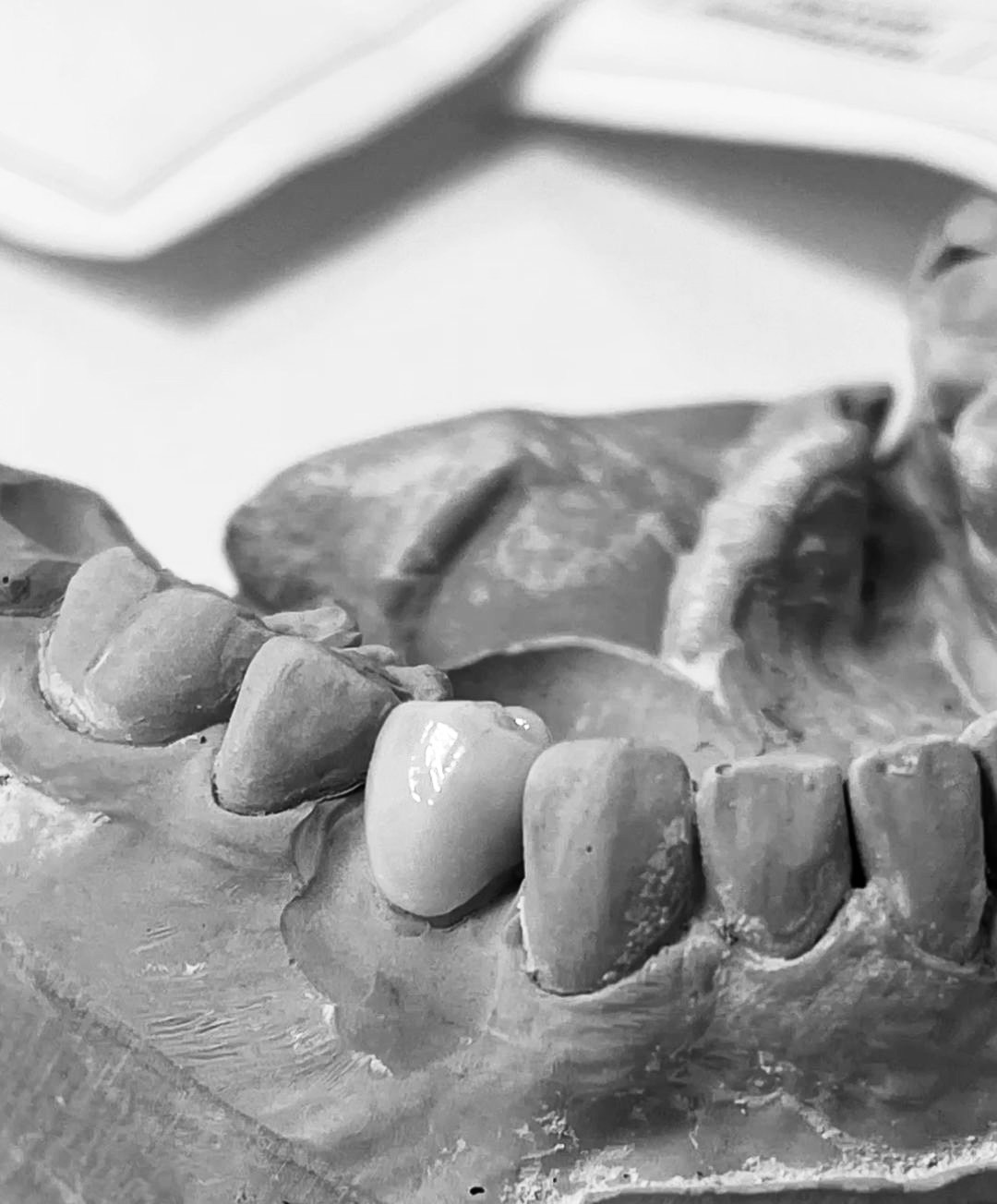
Master Design: treatment planning and digital design on 3D models.
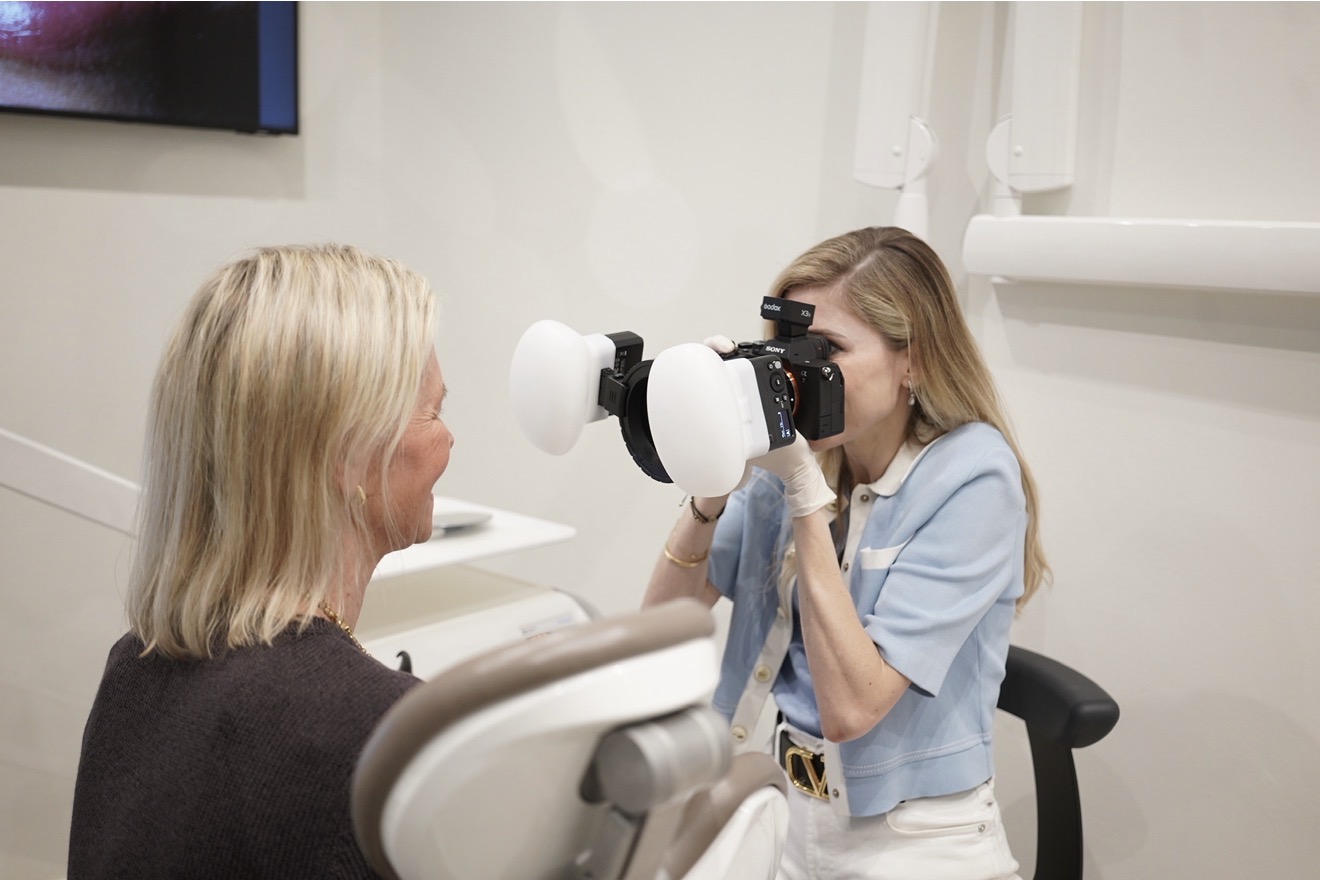
Precision Test: intraoral validation using a provisional mock-up. Adjustments made until complete integration with the patient's anatomy is achieved.
Porcelain veneers are custom-made without digital libraries; each piece is unique.
Precision Restore: minimal enamel preparation, records, and final adhesive cementation.
GRAS Signature: comprehensive review and scheduled follow-up.
Adhesion to enamel as a criterion for longevity
One of the fundamental principles of modern adhesive restoration is the preservation of dental enamel.
Enamel does not regenerate — once lost, it is gone forever.
But beyond the conservative argument, there is an objective clinical reason: adhesion to enamel is biomechanically superior to adhesion to dentin.
Enamel is a highly mineralized tissue with minimal organic content, providing a homogeneous, stable bonding surface that is less susceptible to hydrolytic degradation over time.
Dentin, with its higher collagen and water content, offers an interface that is more vulnerable to degradation.
Bonding strengths on enamel are significantly higher, and the risk of leakage or debonding is lower.
This means that every tenth of a millimeter of enamel preserved during preparation is gained adhesion — and gained adhesion is gained longevity.
This principle guides all preparation decisions in advanced adhesive restoration.
When might it be indicated?
Adhesive restoration is useful in cases of:
Wear due to bruxism or erosion.
Changes in shape or color.
Loss of structure due to cavities or fractures.
Rehabilitation of multiple teeth simultaneously.
Patients dissatisfied with previous treatments.
The final recommendation is always determined by the attending dentist following an individualized examination.
Request a personalized assessment
If you have questions about which type of restoration is most suitable for your case, you can request a 360° diagnostic consultation with Dr. Cristina Gras in Barcelona.
Legal Notice
This article is for informational purposes only and does not constitute medical or dental advice. It is not a substitute for an individualized clinical assessment by a licensed dentist.
Any decision regarding dental treatment must be made after an examination and diagnosis by the dentist in charge of the case.
Dr. Cristina Gras practices advanced restorative dentistry in Barcelona (Paseo de la Bonanova 110, Sarrià).
More information at institutdentalcristinagras.com
Data Controller: INSTITUT DENTAL CRISTINA GRAS, S.L.P. Purpose of processing: we will use your data to schedule visits and address your questions, inquiries, and suggestions. Data subject rights: You may exercise your rights of access, rectification, erasure, and portability of your data, as well as restriction and objection to its processing at info@institutdentalcristinagras.com. More information: in our privacy policy
Data Controller: INSTITUT DENTAL CRISTINA GRAS, S.L.P. Purpose of processing: we will use your data to schedule visits and address your questions, inquiries, and suggestions. Data subject rights: You may exercise your rights of access, rectification, erasure, and portability of your data, as well as restriction and objection to its processing at info@institutdentalcristinagras.com. More information: in our privacy policy
Data Controller: INSTITUT DENTAL CRISTINA GRAS, S.L.P. Purpose of processing: we will use your data to schedule visits and address your questions, inquiries, and suggestions. Data subject rights: You may exercise your rights of access, rectification, erasure, and portability of your data, as well as restriction and objection to its processing at info@institutdentalcristinagras.com. More information: in our privacy policy