Data Controller: INSTITUT DENTAL CRISTINA GRAS, S.L.P. Purpose of processing: we will use your data to schedule visits and address your questions, inquiries, and suggestions. Data subject rights: You may exercise your rights of access, rectification, erasure, and portability of your data, as well as restriction and objection to its processing at info@institutdentalcristinagras.com. More information: in our privacy policy
Data Controller: INSTITUT DENTAL CRISTINA GRAS, S.L.P. Purpose of processing: we will use your data to schedule visits and address your questions, inquiries, and suggestions. Data subject rights: You may exercise your rights of access, rectification, erasure, and portability of your data, as well as restriction and objection to its processing at info@institutdentalcristinagras.com. More information: in our privacy policy
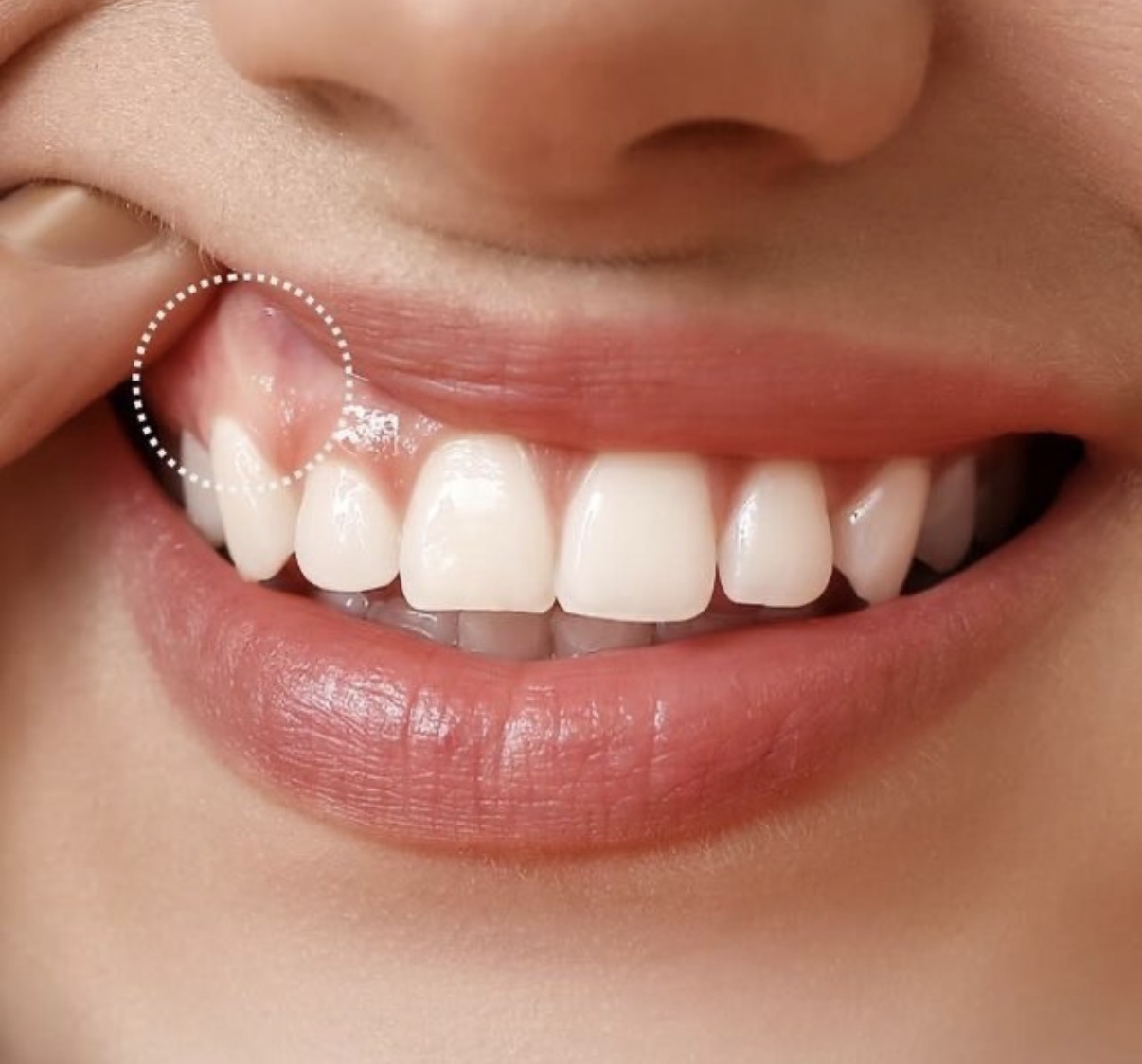
A significant number of patients who come to our advanced restorative dentistry practice are not seeking their first treatment. They arrive after having had one that did not work as expected: restorations that fracture prematurely, do not integrate harmoniously with the rest of the teeth, cause occlusal discomfort that wasn't there before, or simply do not match the results they were initially shown or promised.
When analyzing what these cases have in common, the answer rarely lies in the quality of the material used or the technical skill of the operator. It lies in the absence or inadequacy of the clinical protocol prior to the intervention.
The Gras® Method is a clinical protocol developed by Dr. Cristina Gras for the planning and execution of adhesive dental restorations, integrating interdisciplinary diagnosis, digital planning, intraoral provisional validation, and precision bonding in a structured 5+1 phase sequence.
Its fundamental principle is that every clinical decision must be made with complete information, and that such information is only obtained through a rigorous diagnostic process that precedes any intervention on the tooth.
It is not a protocol exclusively for highly complex cases. It is applicable to any restoration where the quality of the result and the preservation of healthy tooth structure are priorities, from full-mouth rehabilitations to single-unit restorations.
Why specialization matters in ceramic restoration
Since 2014, Dr. Cristina Gras has focused her specialization on advanced ceramic dental restoration. This is the field to which she dedicates the majority of her clinical practice, continuing education, and clinical protocol development. The clinic also offers implants, orthodontics, and periodontics, coordinated with the restorative area when the case requires it.
This concentration on a specific field has direct clinical consequences. The volume of cases accumulated over more than a decade of specialized practice in ceramic restoration generates a level of decision-making expertise—in technique selection, mock-up interpretation, and adhesive cementation—that cannot be matched by a professional who performs these types of restorations only occasionally within a general practice.
A patient seeking security in a dental treatment is not looking for the closest or the cheapest professional. They are looking for the one who has solved their exact problem the most times. Eleven years of specialization in advanced ceramic restoration is the most honest clinical answer to that search.
The phases of the protocol
Phase 1: Smile Blueprint — Comprehensive diagnosis and 360° evaluation
The diagnostic phase is the most extensive and carries the most weight regarding the final result. In our practice, the quality of the diagnosis is the factor that most distinguishes a treatment that works long-term from one that leads to complications.
One of the characteristics that distinguishes this clinical protocol is that the diagnosis is not performed by a single specialist in isolation. Before planning any restorative treatment, the patient is evaluated by several specialists at once—with the patient present, not in internal meetings.
Periodontics, orthodontics, and implantology provide their criteria on the same case from different angles. And in more complex cases, more than one specialist from the same area may intervene, because two sets of criteria within the same specialty offer more information than one.
The patient is present at all times. They hear what each specialist observes and understand why each decision is made. Their criteria, priorities, and concerns are also part of the process. This joint evaluation ensures that the treatment plan makes sense from every angle—and reduces the long-term complication rate.
The Gras® Method diagnosis includes:
Facial and dentolabial analysis: lower facial third proportions, dental midline, and occlusal plane.
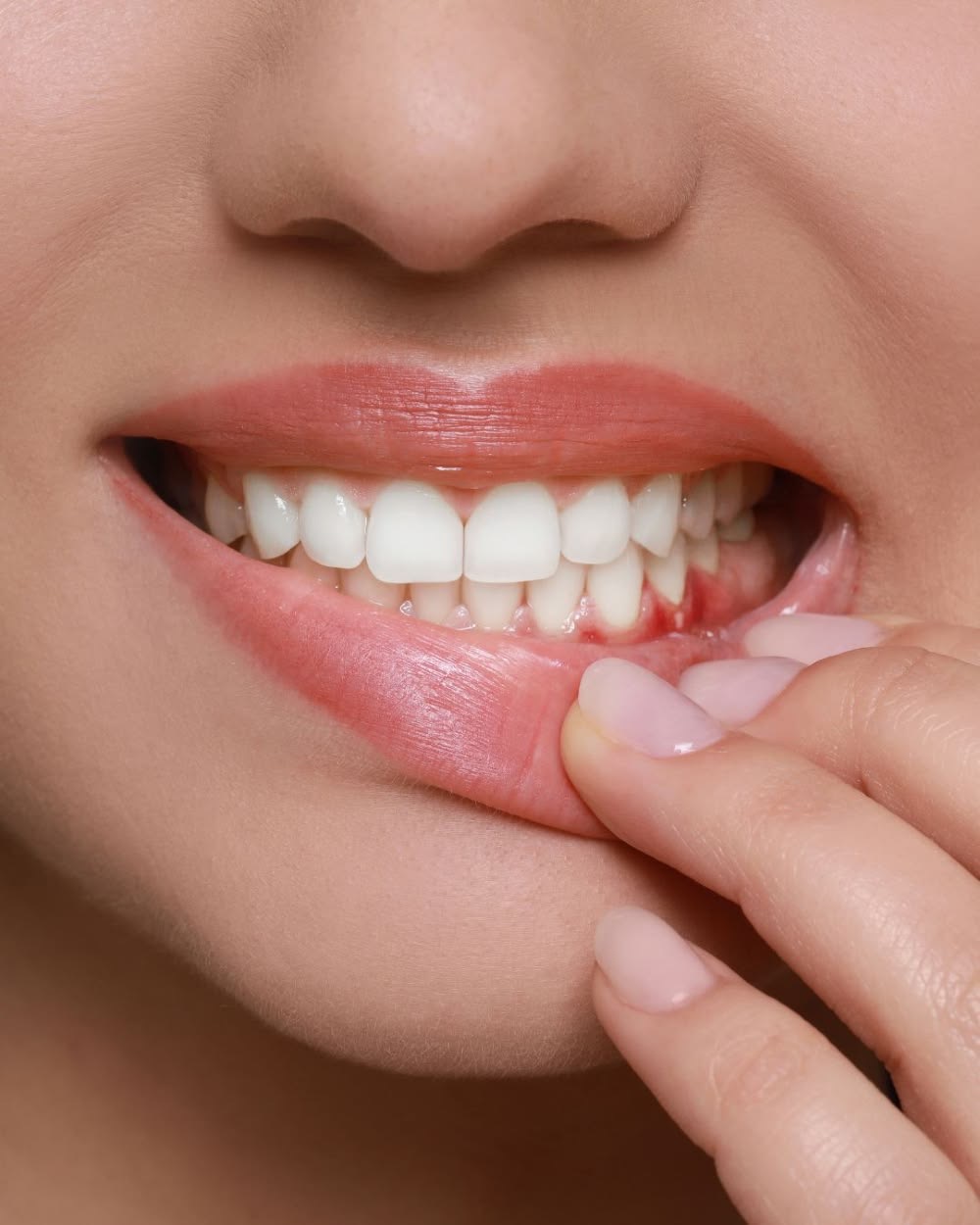
Periodontal analysis: gum and soft tissue stability.
Occlusal and articular analysis: detection of interferences or premature contacts.
Standardized photographic documentation and intraoral scanning: objective basis for digital design.
Phase 2: Master Design — Treatment plan and digital design
Using the diagnostic data, an individualized treatment plan is developed to determine:
Which teeth will be restored and which technique will be applied—with or without enamel preparation.
Which ceramic material is selected and its clinical rationale.
Whether prior treatments from other specialties are required.
CAD digital design allows for the definition of the shape, proportions, length, and axis of each restoration before any definitive element is manufactured. Digital planning ensures decisions are based on objective data, avoiding guesswork.
Phase 3: Precision Test — Functional mock-up
The functional mock-up is the phase that most frequently changes or confirms the diagnosis. It is a provisional replica of the final restoration, crafted in direct resin over the natural teeth without any preparation.
Functions of the mock-up:
Diagnostic validation: allows for determining if the no-prep technique is viable.
Functional validation: evaluation of phonetics, comfort, and chewing over 24–48 hours.
Morphological validation: integration with teeth and soft tissues.
The provisional is iteratively adjusted until it integrates perfectly with the patient's anatomy and smile, making every design unique and personalized.
Phase 4: Precision Restore — Preparation, fabrication, and adhesive cementation
If the Precision Test confirms that enamel preparation is required, it is performed in a minimally invasive manner, following the boundaries of the digital design. The goal is to preserve as much healthy tooth structure as possible, ensuring the largest surface area for adhesion on enamel, which is more resistant than dentin.
When a no-prep technique is viable, this phase begins directly with digital records, including intraoral scanning, centric relation occlusal registration, and shade selection via spectrophotometry.
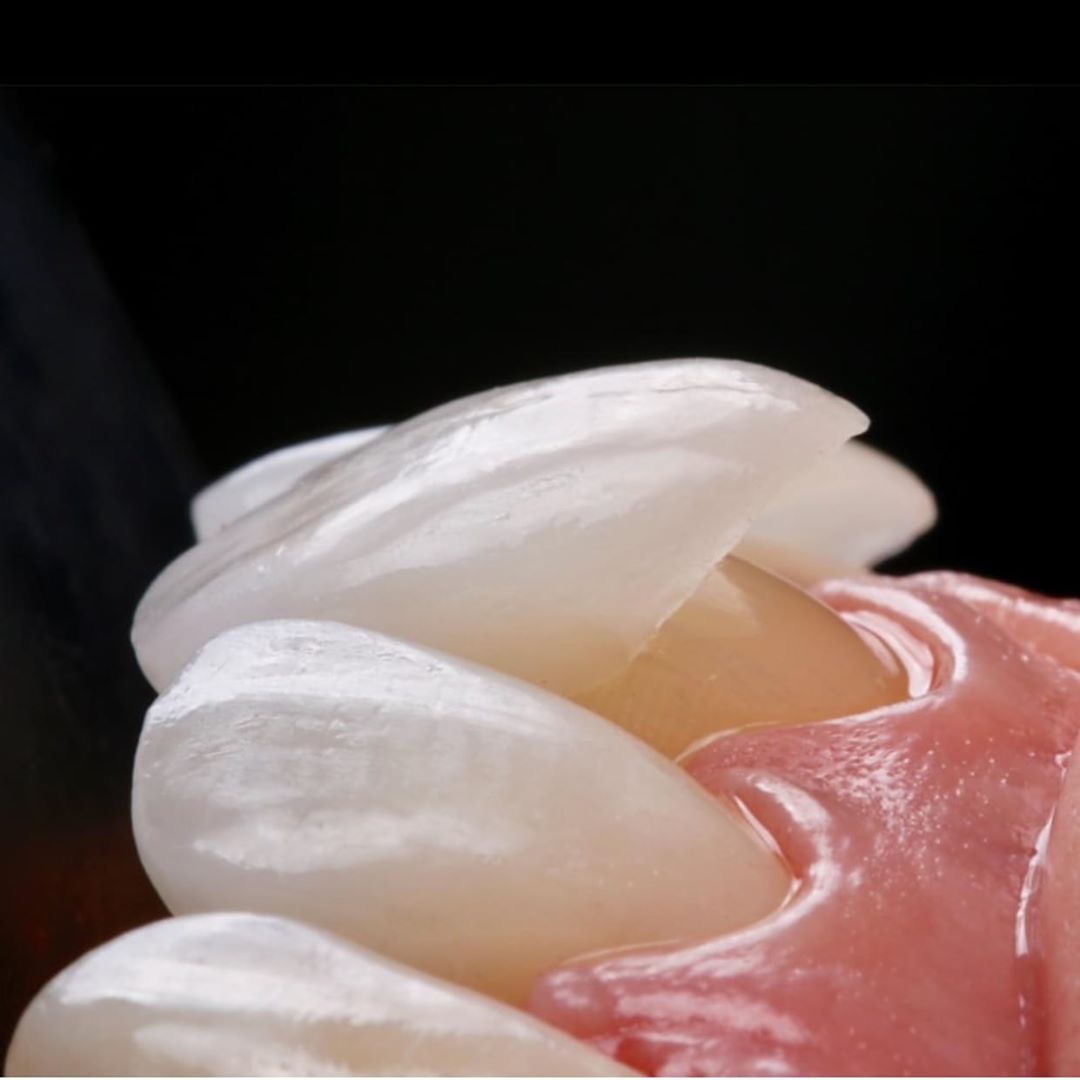
Unlike conventional dentistry, the Gras® Method does not use predefined libraries. Each dental veneer is designed from scratch based on the Precision Test, and the ceramist fabricates it exactly as validated, achieving a unique and unrepeatable result.
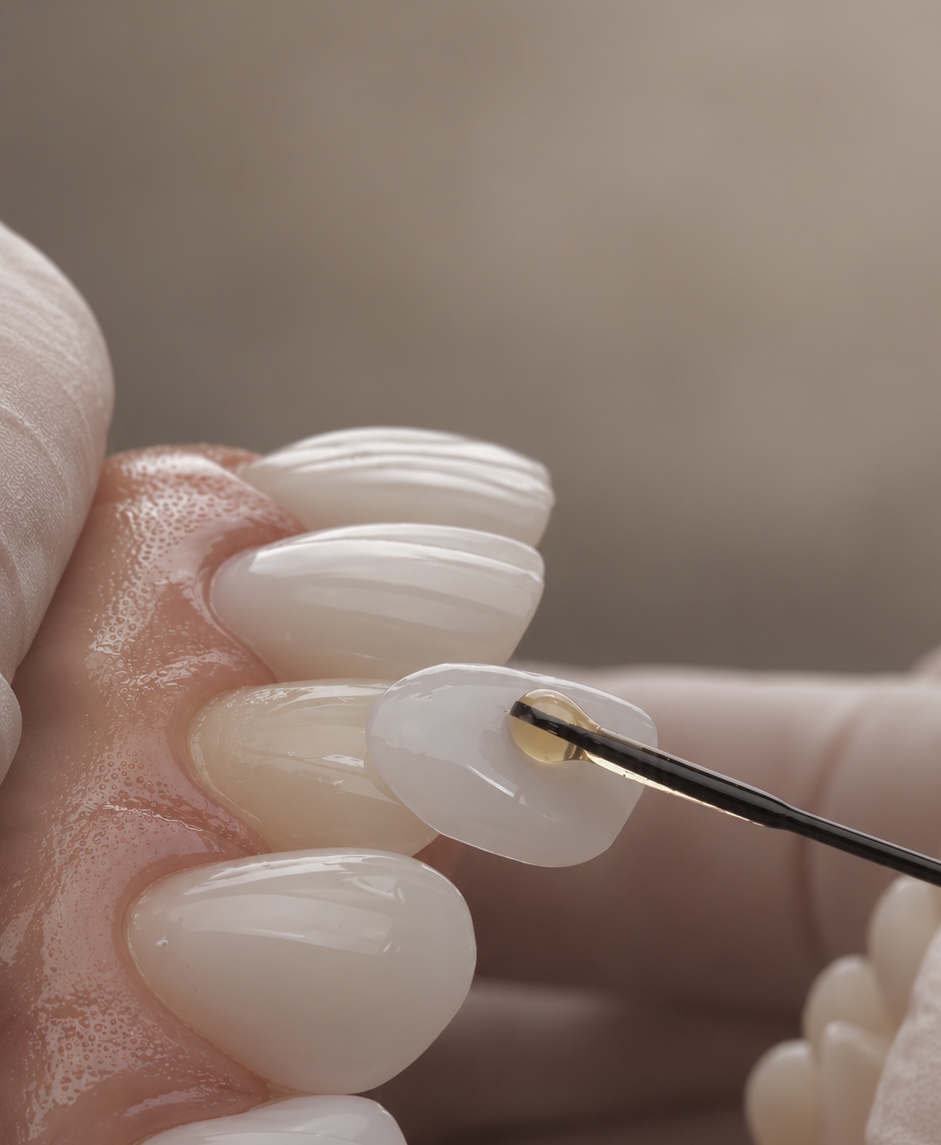
The ceramic restoration is crafted by a ceramist specializing in anterior porcelain. Before adhesive cementation, the marginal fit, interproximal contacts, occlusion, and translucency are checked in the mouth. Only when all parameters are correct do we proceed with cementation, following an exhaustive protocol that ensures durability and stability.
The goal is for the restoration and the enamel to function as a single structure for decades. A well-executed cementation is invisible to the patient and crucial for longevity. Conversely, insufficient cementation is the most frequent cause of premature debonding.
Phase +1: GRAS Signature™ — Final review and follow-up
Includes a review of:
Fit and contacts of each restoration.
Occlusion and function.
Condition of gums and soft tissues.
Integration of the restoration into the smile.
Follow-ups are included at 2 weeks, 3 months, and annually, with standardized photographic documentation. This phase allows for intervention regarding any changes before more invasive treatments are needed.
Why the protocol is the differentiating factor
Technical skill, material quality, and laboratory precision are necessary but not sufficient. The differentiating factor is the clinical protocol: it ensures that every decision is made with complete information, avoiding common errors seen in patients dissatisfied with previous restorations.
Who this protocol is for
The Gras® Method is indicated for:
Patients dissatisfied with previous restorations.
Significant tooth wear (bruxism, erosion, or abrasion).
Rehabilitation of multiple anterior teeth.
Any restoration requiring preservation of tooth structure and predictable results.
*This article is for informational purposes only and does not constitute medical or dental advice. It is not a substitute for an individualized clinical assessment by a licensed dentist. Any decision regarding dental treatment must be made following an examination and diagnosis by the dentist responsible for the case, who will determine if there is a clinical indication and the appropriate treatment plan based on the patient's individual characteristics. Dr. Cristina Gras practices advanced restorative dentistry in Barcelona (Paseo de la Bonanova 110, Sarrià). More information at institutdentalcristinagras.com
Data Controller: INSTITUT DENTAL CRISTINA GRAS, S.L.P. Purpose of processing: we will use your data to schedule visits and address your questions, inquiries, and suggestions. Data subject rights: You may exercise your rights of access, rectification, erasure, and portability of your data, as well as restriction and objection to its processing at info@institutdentalcristinagras.com. More information: in our privacy policy
Data Controller: INSTITUT DENTAL CRISTINA GRAS, S.L.P. Purpose of processing: we will use your data to schedule visits and address your questions, inquiries, and suggestions. Data subject rights: You may exercise your rights of access, rectification, erasure, and portability of your data, as well as restriction and objection to its processing at info@institutdentalcristinagras.com. More information: in our privacy policy
Data Controller: INSTITUT DENTAL CRISTINA GRAS, S.L.P. Purpose of processing: we will use your data to schedule visits and address your questions, inquiries, and suggestions. Data subject rights: You may exercise your rights of access, rectification, erasure, and portability of your data, as well as restriction and objection to its processing at info@institutdentalcristinagras.com. More information: in our privacy policy